It starts with one customer asking if their mug will be ready before Christmas.
Then someone wants to book a gift-making workshop in mid-December. A member has “just a few more pieces” for the next firing. And your team is trying to figure out which promises were made, to whom, and whether there’s room in the kiln.
Holiday pottery deadlines can get complicated quickly.
November is the time to make a plan: decide what your studio can reasonably finish, communicate those dates clearly, and give customers a straightforward way to know when their work is ready.
Here’s how to set holiday deadlines that work for your customers and your studio.
1. Start With Pickup Day and Work Backward
It’s tempting to choose a cutoff based on the last workshop you could squeeze onto the calendar. But a full class schedule doesn’t necessarily mean you have the capacity to finish everything those classes produce.
Start with the last day customers can realistically pick up their work before your holiday closure. Then work backward through your process.
Depending on your studio, account for:
- Drying time
- Bisque firing and cooling
- Glazing by staff or customers
- Glaze firing and cooling
- Sorting, checking, and packing
- Customer notification
- Time for customers to return for pickup (with their busy holiday schedules)
A handbuilding workshop, a wheel class, and a paint-your-own-pottery visit will need different timelines. Set deadlines around the actual work involved.
Be sure to leave a buffer as well. A piece that needs more drying time or an unexpected equipment issue shouldn’t immediately put every other holiday order behind schedule.
Your cutoff should reflect a manageable production plan, including time for the work that happens after a class or session ends.
2. Set Separate Deadlines Where You Need Them
One “Christmas deadline” sounds simple. But if customers move through different processes, one date can create more questions than it answers.
A member might interpret it as the last day to make something. Your staff might mean the last day a glazed piece can go on the firing shelf. Those are very different expectations.
Consider which dates your studio needs to communicate:
| Deadline | What customers need to understand |
| Last holiday gift-making workshop | The final eligible class for your planned pre-Christmas turnaround |
| Member work submission | The condition pieces must be in when submitted |
| Final glazing session | When customers must return to finish their work |
| Final pickup day | When finished pieces must be collected before your closure |
You don’t need every deadline in every message. Show each audience the dates and instructions that apply to them.
For members, specify whether work must be dry, bisque-fired, glazed, or ready for a particular firing. “Submit by December [date]” needs that extra context to be useful.
3. Put Expectations Where Customers Book
A customer making a Christmas gift needs to understand the turnaround before purchasing a class.
Include holiday timing in your workshop description, on the relevant booking page, and in confirmation information. If the experience requires a second visit to glaze, make that especially clear.
For example:
Making a holiday gift? This workshop is included in our planned pre-Christmas firing schedule. Finished pieces are expected to be available by [date]. We’ll notify you when they’re ready. Please plan to pick up by [date] before our holiday closure.
For a two-visit experience:
This class requires a return visit to glaze your work. To stay within our planned holiday timeline, please complete glazing by [date].
If you use Kiln Fire for class registrations, make reviewing your class descriptions part of your November preparation. Class purchase links give customers a direct way to book; clear deadline information alongside those links helps them choose an appropriate session.
Avoid promising a guaranteed completion date unless your studio is prepared to stand behind it. Be clear about the expected timeline and explain how customers will receive confirmation.
4. Give Your Team One Consistent Answer
Even a well-written deadline won’t help much if three staff members explain it three different ways.
Before the holiday rush, agree on:
- Which sessions are eligible for your planned holiday turnaround
- What customers must complete and by when
- How to describe estimated completion dates
- Who can approve exceptions
- What to offer when someone has missed the cutoff
Give staff a short answer they can use at the front desk, over the phone, and in messages.
Something like:
“For our planned pre-Christmas turnaround, you’ll need to attend by [date] and complete any required glazing by [date]. We’ll contact you once your pieces are ready.”
Clear wording helps your team respond confidently without making a new judgment call for every customer.
5. Make “Ready for Pickup” a Clear Step
There’s a difference between a piece being out of the kiln and a piece being ready for a customer to collect.
Your team may still need to check it, match it to the right person, bag it, and place it in the pickup area. Build that step into the workflow before sending a notification.
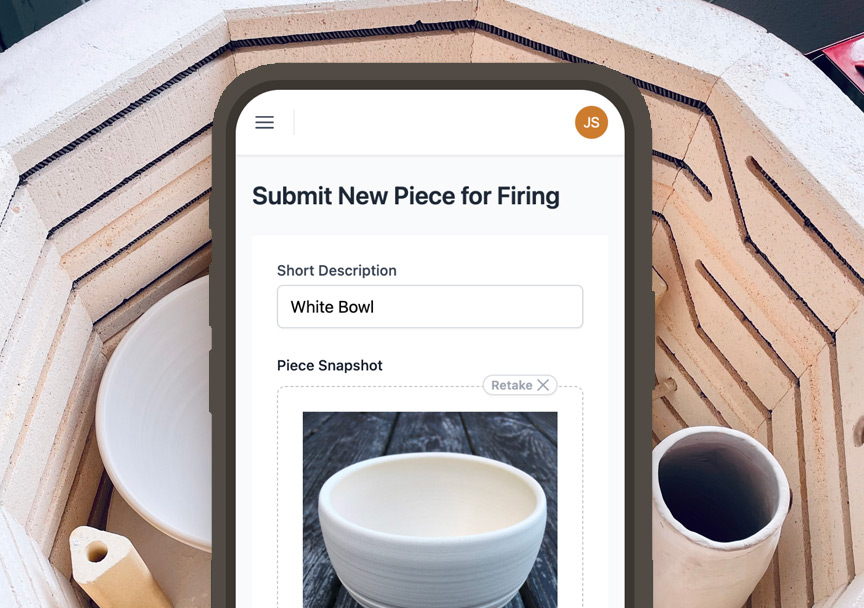
Kiln Fire’s Piece Pickups feature helps staff collect participant contact information, track pieces through the kiln process, and mark them ready for collection. Once ready, automated email and text reminders help prompt customers to return.
That’s particularly useful when holiday workshops bring in guests who aren’t regular members. Collect accurate contact information while they’re in the studio, so your team has a reliable way to reach them later.
Make the message useful, too. Customers need to know where to go, when you’re open, and the final pickup date before your closure.
6. Help Members Check Progress Without Calling
Members are excited to see their finished work. In December, they may also be coordinating gifts, travel, and the last glazing session they can fit into their schedule.
Giving them access to progress information can reduce some of the uncertainty.
Kiln Fire lets members see which kilns are running and which of their pieces are in each one right from their dashboard. Use that visibility alongside your holiday deadline notices, while making it clear how quickly and when your team will be unloading and reloading kilns.
The goal is a consistent process: your members can check available information, and your team confirms when their work is ready.
7. Decide What Happens After the Cutoff
Someone will miss the deadline. It's inevitable. But having a helpful answer ready makes that conversation a little easier.
Depending on your studio, you might offer:
- A later workshop with pickup after the holidays
- A discount for a future pottery experience
- A printable note explaining that a handmade gift is on its way
Try wording like:
“You’re still welcome to join us! Pieces from this session are expected to be ready after Christmas. If you need something to give before then, we can help you choose another option.”
Customers can still enjoy making pottery after your holiday cutoff. They just need to know what to expect.
Be thoughtful about exceptions. Accepting extra work affects the pieces already in your queue, so have one person review those requests against actual capacity.
8. Share the Dates More Than Once
A single social post is easy to miss.
Keep your holiday information consistent across your website, relevant class descriptions, emails, studio signage, and social channels. As the cutoff approaches, change the message to reflect what customers can still book.
For example:
- Early November: Share the holiday making and pickup timeline.
- Before the cutoff: Highlight remaining eligible workshops.
- After the cutoff: Explain the expected post-holiday turnaround and offer gift alternatives.
- Before closing: Remind customers with finished work about pickup hours.
Repeat the useful information without making people hunt for it. Your staff should be able to point to the dates quickly and easily.
A Calmer Holiday Season Starts With Clear Expectations
Customers want to give something meaningful. Your team wants to help them do that without making promises the studio can’t comfortably keep.
A realistic timeline makes both possible.
Set deadlines around your production capacity, explain them before customers book, and create a clear path from making to firing to pickup. With tools like Kiln Fire supporting bookings, firing visibility, and pickup communication, your team can spend more time helping customers and less time answering the same deadline questions.
Ready to simplify your studio’s holiday workflow? Request a Kiln Fire trial and explore the tools for your next busy season.